America is celebrating it’s 250th birthday this month, and that’s pretty old! We also know that this land that we call America is much, much older. Here in the Southwest, there are many ways to explore the cultural, natural, and geological history that dates back to before the signing of the Declaration of Independence. Check out some of our favorite parts of living Southwest history!
Ironwood Trees
Ironwood trees bloom in the spring, covering the desert with beautiful magenta colored flowers. Ironwoods can live up to 800 years and are especially wonderful to see in Arizona’s Desert Ironwood National Monument.
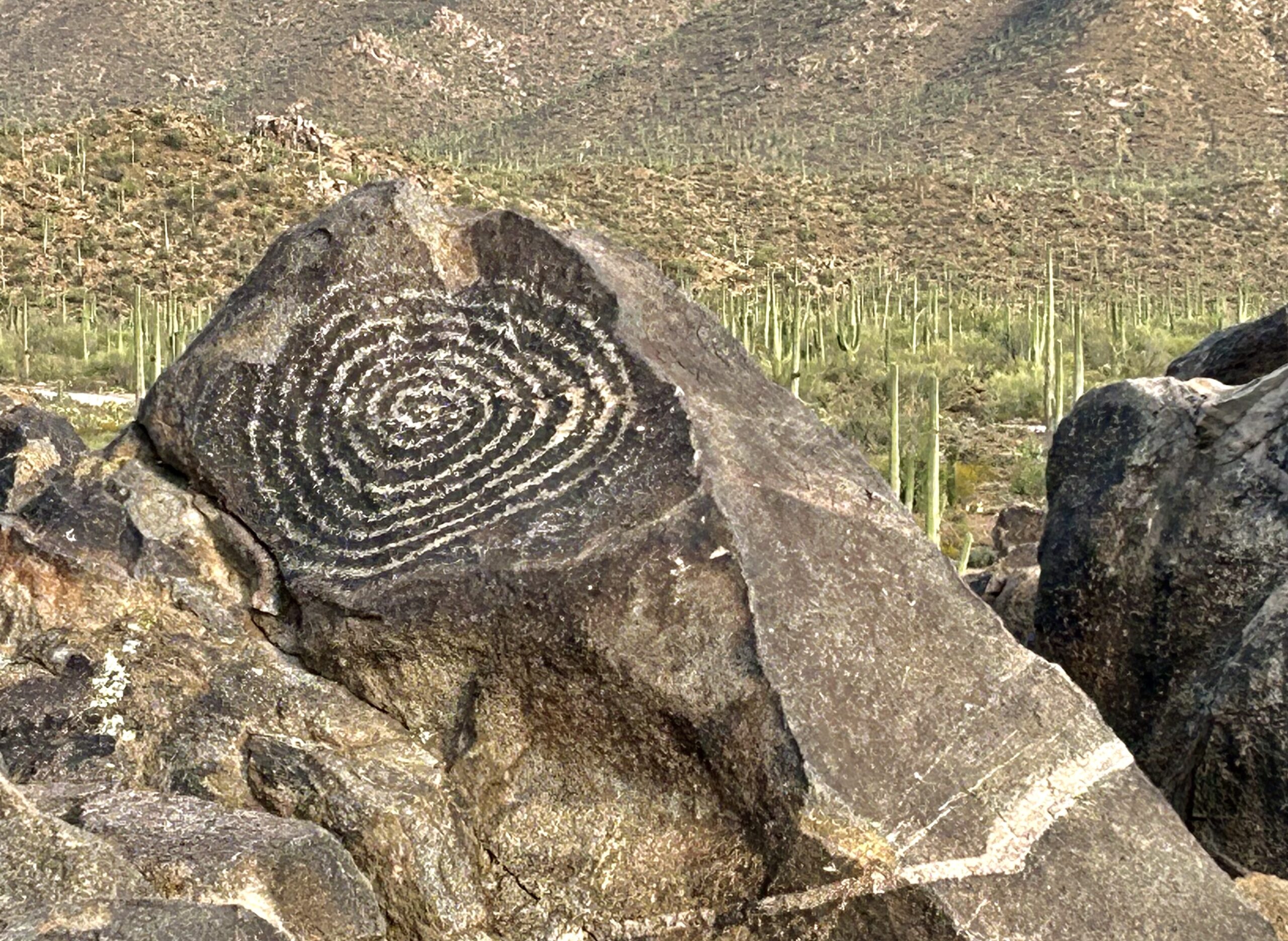
Petroglyphs of the Hohokam
Before Tucson was called Tucson, the Hohokam people called this place Cuk Ṣon, roughly translating to “At the base of the black hill.” The current day Tohono O’odham Nation and their ancestors the Hohokam have been in here for over four thousand years, making Tucson the (somewhat debated) “oldest continually inhabited community in the U.S.” The petroglyphs created by the Hohokam were created somewhere between 550 and 1550 years ago, and are an amazing sight to see in person!
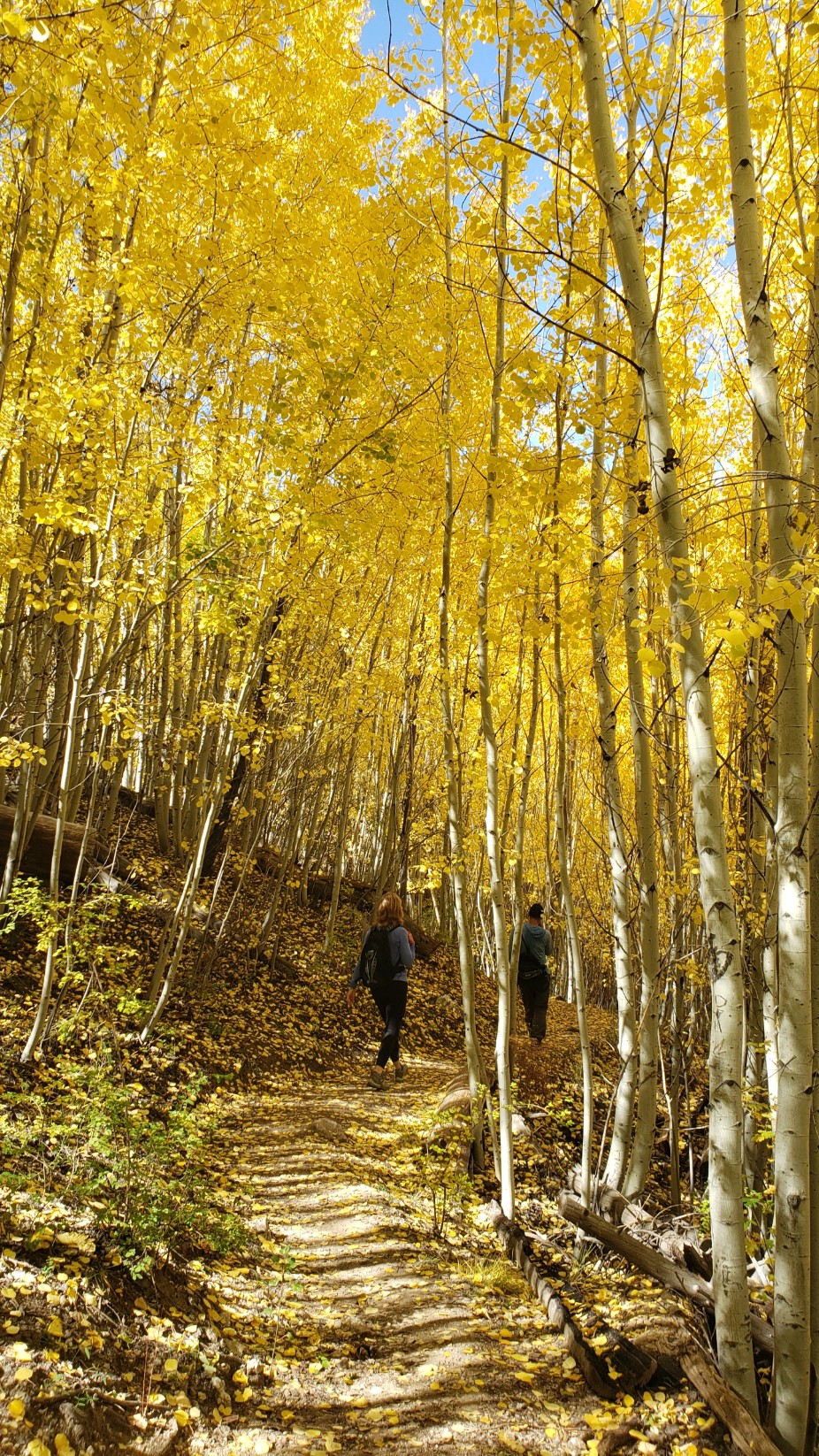
The Oldest Tree On Earth
The oldest and largest tree on Earth is named Pando, and lives next to Fish Lake in Utah. Pando is estimated to be between 60,000 and 80,000 years old, spans 106 acres, and weighs over 13 million pounds. Pando is an aspen clone, which means an underground stem sends up shoots of genetically identical stems. Every “tree” that you see in Pando’s grove, is actually all a part of a single organism. Because of this Pando earned it’s name from the Latin, meaning “I spread.”
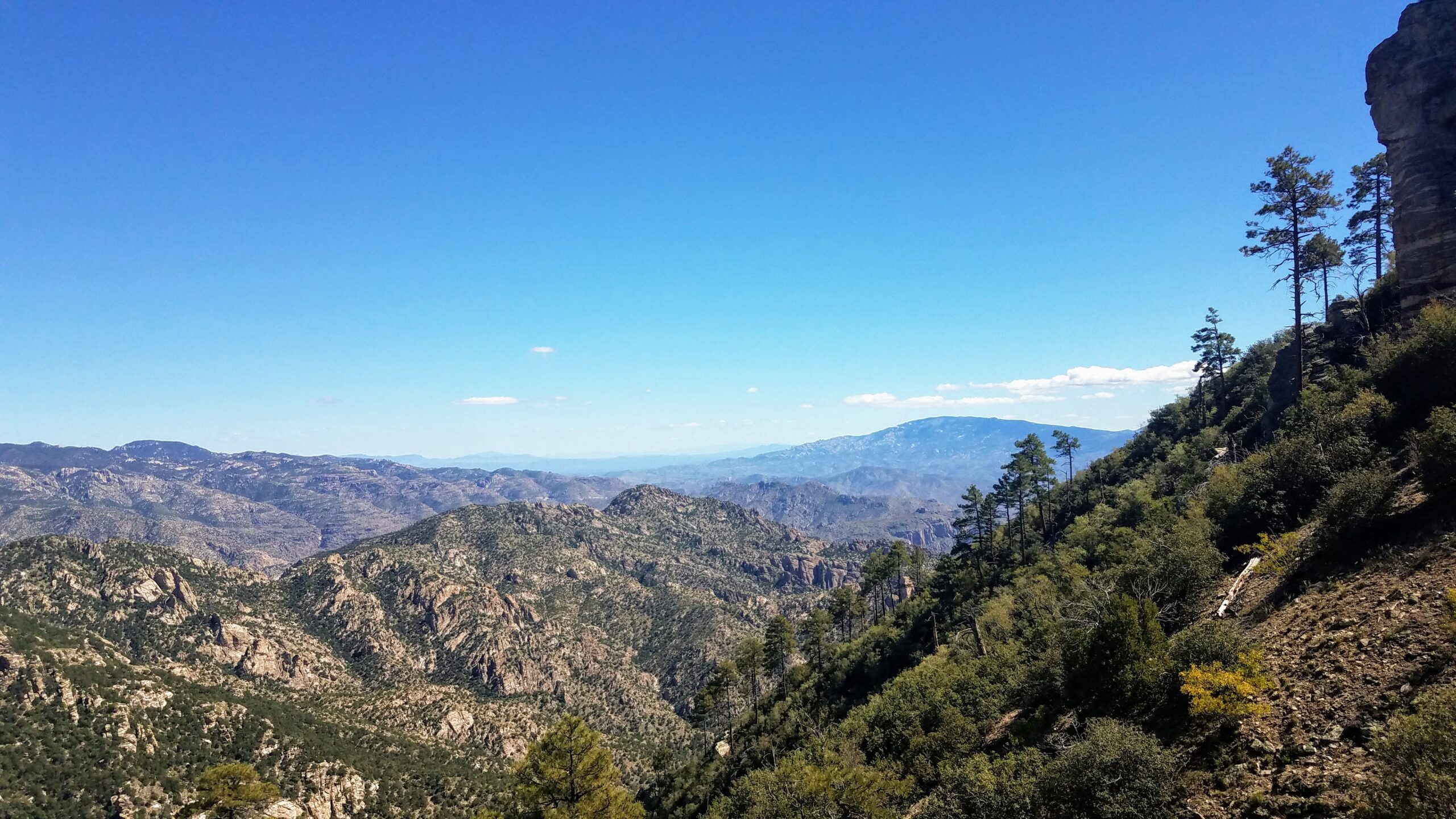
30 Million Year Old Geography
Approximately 30 million years ago, the Tucson Mountains sat on top of the Santa Catalina Mountains. Due to the shifting of tectonic plates, the Tucson Mountains slid down 20 miles to the west, creating the Tucson Mountains, the Santa Catalina Mountains, and the basin of Tucson in between. Now that’s old!
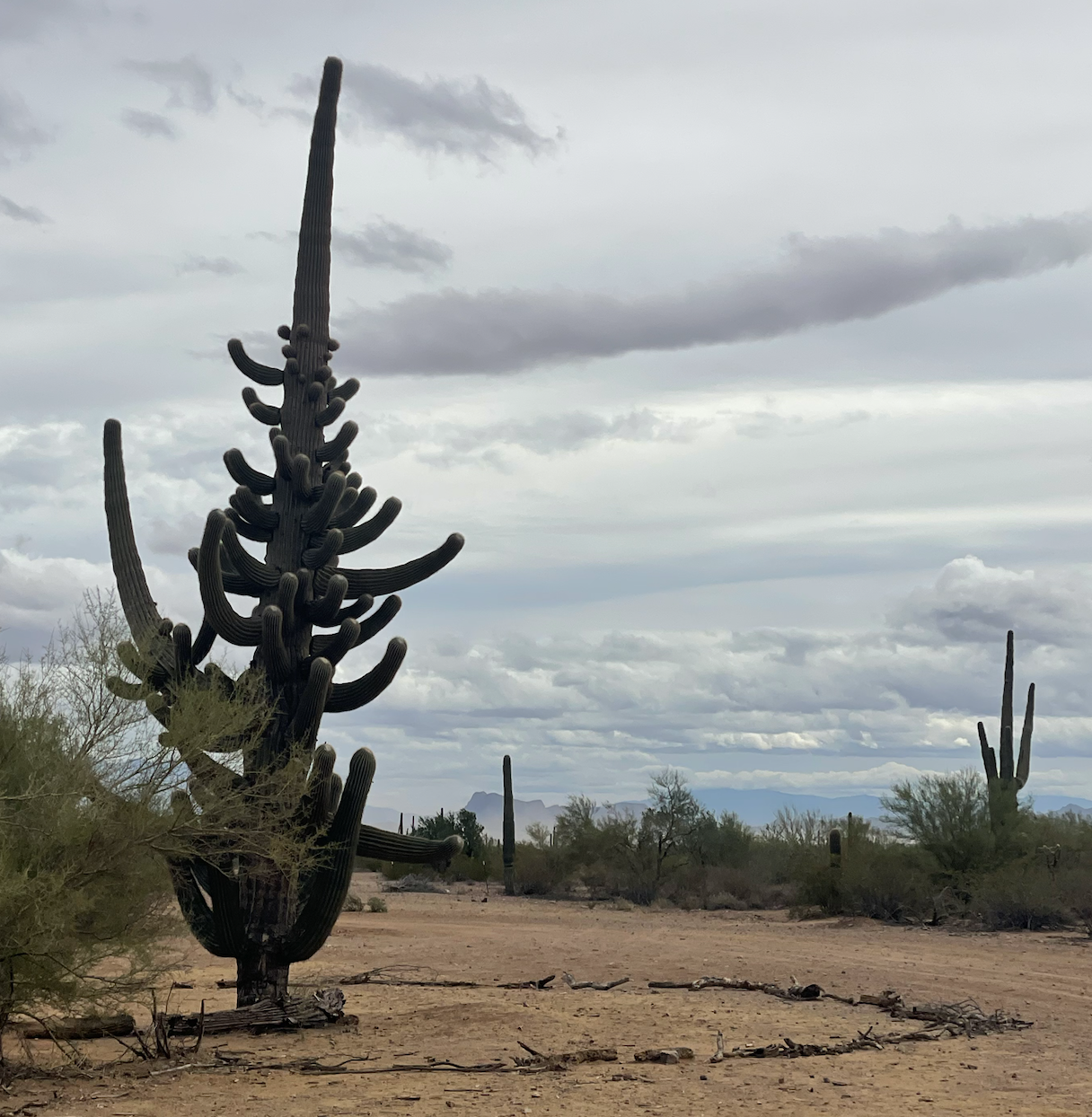
Are there saguaros older than the Declaration of Independence?
|
||
|